
Beyond the Episode: Bryan Grijalva
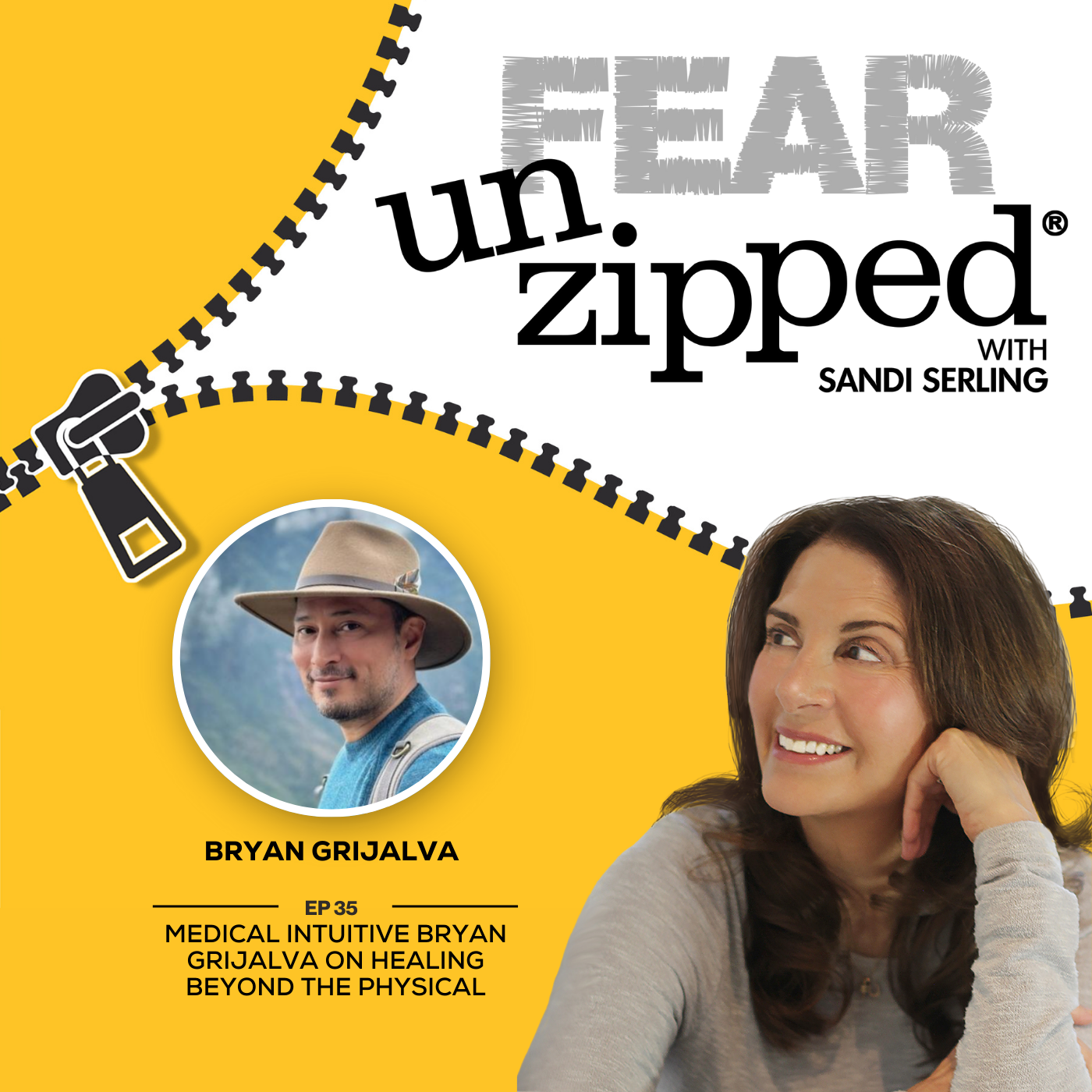
A Broader View of Health
Modern healthcare often focuses on symptoms, test results, and diagnoses. While this approach is essential, it doesn’t always tell the whole story. True health is more than the absence of illness; it’s a state of balance across the body, mind, and inner life. When one area is ignored, healing can stall or remain incomplete.
The Three Dimensions of Well-Being
Human experience can be understood through three interconnected layers: the physical, the emotional, and the spiritual. The physical body shows us pain, fatigue, and injury. The emotional body reflects stress, grief, fear, and unresolved experiences. The spiritual body, often overlooked, relates to meaning, purpose, and how we feel aligned with ourselves and the world. Imbalance in any one of these can affect the others.
When Stress Becomes “Dis-Ease”
Many chronic issues develop gradually through prolonged stress, emotional strain, or internal conflict. This doesn’t mean symptoms are “all in your head.” It means the body is responding intelligently to long-term pressure. Seeing illness as “dis-ease” invites a more compassionate and curious approach: what is the body trying to communicate, and what needs attention beyond medication alone?
Listening to the Body’s Signals
The body is constantly offering feedback through sensation, mood, and energy levels. Learning to pause, notice, and reflect on these signals can reveal patterns that would otherwise be missed. Simple practices like mindful breathing, gentle movement, or sensory awareness exercises help create space to hear what the body is asking for.
Integration, Not Replacement
Holistic healing is not about rejecting conventional medicine. It’s about integration. When medical care is combined with emotional awareness and inner work, people often experience more complete and lasting change. The goal is not just symptom relief, but a return to balance, clarity, and a deeper sense of well-being.
Healing the Story, Not Just the Symptom
Lasting healing happens when we address both what hurts and why it hurts. By caring for the whole person, not just the problem, we move beyond survival and toward genuine health.
